
With the emergence of the digital age and the rise of decentralization, a pivotal event unfolded – the birth of a revolutionary currency known as Bitcoin. As the first cryptocurrency to capture the world’s attention, the initial transactions of Bitcoin marked a significant milestone in the realm of finance. From the creation of its enigmatic Genesis Block to the groundbreaking transfer of Bitcoin from Satoshi Nakamoto to Hal Finney, these early transactions showcased the immense potential of a peer-to-peer digital currency. This article delves into the historic significance of Bitcoin’s first transactions, examining their profound impact on the global financial landscape.
At the heart of Bitcoin’s inception lies the Genesis Block, the first block in the cryptocurrency’s blockchain. Mined by Satoshi Nakamoto in January 2009, this block not only marked the birth of Bitcoin but also embedded a symbolic message of defiance towards the traditional financial system. It set the stage for a new era of financial freedom and transparency, laying the foundation for a decentralized digital currency that operates independently of any central authority.

One of the most notable transactions in Bitcoin’s early history occurred when Satoshi Nakamoto sent 10 Bitcoins to Hal Finney, a renowned computer scientist and one of the earliest adopters of the cryptocurrency. This transaction not only showcased the practicality of Bitcoin as a medium of exchange but also highlighted its potential as a tool for peer-to-peer transactions without the need for intermediaries. The transfer between Nakamoto and Finney represented a moment of validation for Bitcoin and provided a glimpse into the future of financial transactions, where individuals could securely and directly exchange value without relying on traditional banking systems.
The first transactions of Bitcoin were not merely financial exchanges; they were a testament to the transformative power of decentralized digital currencies. They sparked the imagination of innovators, economists, and individuals worldwide, igniting a movement that would revolutionize the way we think about money and finance. From these humble beginnings, Bitcoin has evolved into a global phenomenon, shaping the trajectory of the financial industry and inspiring the development of countless other cryptocurrencies.
The first transactions of Bitcoin laid the groundwork for a new era of financial inclusivity and empowerment, forever changing the way we perceive and interact with money.
Genesis Block Creation
The creation of the genesis block was a significant milestone in the emergence of Bitcoin, signaling the commencement of a revolution in decentralized digital currency. On January 3, 2009, an anonymous individual or group, known as Satoshi Nakamoto, successfully mined the first block of the Bitcoin network, which is commonly referred to as the genesis block. This pivotal moment marked the initial stage in establishing a novel digital currency system that operates without the requirement of a central authority.
Embedded within the code of the genesis block was a message referencing a headline from The Times newspaper on that day: ‘The Times 03/Jan/2009 Chancellor on brink of second bailout for banks.’ This message served as a timestamp to authenticate the block’s legitimacy and underscored the motivation behind the creation of Bitcoin – to offer an alternative to conventional financial institutions.
Although the genesis block did not contain any transactions, it laid the groundwork for the first-ever Bitcoin transaction, which occurred a few days later. On January 12, 2009, Nakamoto sent 10 bitcoins to Hal Finney, a computer scientist, marking the inaugural recorded transaction on the Bitcoin network.
The creation of the genesis block and the subsequent first transaction marked the beginning of the history of digital currency, providing a foundation for the development and expansion of the Bitcoin network. It showcased the potential for a peer-to-peer electronic cash system, eliminating the need for intermediaries and challenging the established norms of traditional financial systems. This momentous event acted as a catalyst for the widespread adoption and growth of cryptocurrencies.
First Transaction: Satoshi Nakamoto to Hal Finney
The first transaction of Bitcoin from Satoshi Nakamoto to Hal Finney marked a significant milestone in the birth of this new currency.
This exchange between the cryptocurrency pioneers demonstrated the potential of digital transactions without the need for intermediaries like banks.
The historical significance and impact of this transaction lay in its implications for decentralization and the potential disruption of traditional financial systems.
Cryptocurrency Pioneers’ Exchange

The first transaction in the cryptocurrency pioneers’ exchange involved Satoshi Nakamoto sending Bitcoin to Hal Finney. This transaction marked a significant milestone in the history of Bitcoin and cryptocurrency transactions, showcasing the potential of digital currency for peer-to-peer transactions without the need for intermediaries such as banks or financial institutions.
To understand the significance of this transaction, let’s examine the table below:
| Sender | Receiver | Amount (Bitcoin) | Date |
|---|---|---|---|
| Satoshi Nakamoto | Hal Finney | 10 | January 12, 2009 |
This transaction not only demonstrated the functionality of the Bitcoin network but also highlighted the trust and confidence early adopters had in this new form of digital currency. It served as the foundation for the development of bitcoin exchanges and paved the way for the widespread adoption of cryptocurrencies in the years to come.
Implications of Decentralization
The transaction between Satoshi Nakamoto and Hal Finney, which demonstrated the potential of digital currency for peer-to-peer transactions, prompts a discussion on the implications of decentralization.
Decentralization, a fundamental principle of Bitcoin, refers to the absence of a central authority or intermediary controlling the network. This has profound implications for various industries, particularly the financial sector.
By eliminating the need for intermediaries like banks or governments, decentralized systems such as Bitcoin offer enhanced transparency, security, and privacy. Parties can conduct transactions directly, reducing costs and increasing efficiency.
Additionally, decentralization empowers individuals by enabling financial inclusion for the unbanked and providing an alternative to traditional banking systems.
The potential of decentralized applications and smart contracts built on blockchain technology is vast, promising to revolutionize industries beyond finance.
Historical Significance and Impact
The transaction between Satoshi Nakamoto and Hal Finney, which occurred on January 12, 2009, holds significant historical significance and has had a profound impact on the development of Bitcoin. This transaction marked the first-ever transfer of Bitcoin from one individual to another, showcasing the potential of digital currency for peer-to-peer transactions. It demonstrated the viability and functionality of Bitcoin as a decentralized digital currency, independent of any central authority.
As a result, it paved the way for the future adoption and use of cryptocurrencies as a means of exchange.
Furthermore, the transaction between Nakamoto and Finney established a foundation of trust and confidence in the security and integrity of Bitcoin. This led to increased interest and investment in the technology. Today, Bitcoin is recognized as the pioneer of decentralized digital currencies, and this first transaction remains a significant milestone in the history of finance and technology.
Pizza Purchase: The First Real-World Transaction
The first real-world transaction involving Bitcoin marked a significant milestone in the birth of this new currency. On May 22, 2010, Laszlo Hanyecz made history by purchasing two pizzas for 10,000 Bitcoins. This transaction occurred on the Bitcoin Talk forum and showcased the practical use and value of Bitcoin as a medium of exchange.
During this time, Bitcoin was still in its early stages, with only a small community of enthusiasts actively utilizing it. Hanyecz’s pizza purchase demonstrated that Bitcoin had the potential to be used for purchasing real-world goods and services, challenging the notion that it was merely a digital curiosity.
This transaction highlighted the ability of cryptocurrencies to revolutionize traditional financial systems. It showcased Bitcoin’s capacity to facilitate quick and secure global transactions without the need for intermediaries, such as banks. This peer-to-peer transaction laid the foundation for Bitcoin’s decentralized nature and set the stage for its disruptive impact on the financial industry.
Additionally, Hanyecz’s pizza purchase emphasized the volatility of Bitcoin’s value. At the time, the 10,000 Bitcoins he spent were worth only a few dollars. However, as Bitcoin gained popularity and its value soared, those same 10,000 Bitcoins would be worth millions of dollars today.
The significance of the pizza purchase cannot be overstated. It represents the first tangible use case for Bitcoin and symbolizes the transformative power of cryptocurrencies in reshaping the future of finance.

Early Adopters and Transactions
The emergence of Bitcoin saw early adopters engaging in transactions that would shape the future of this new currency. These pioneers recognized the potential of Bitcoin as a decentralized and secure digital currency and were eager to explore its possibilities. As early as 2010, individuals started using Bitcoin to buy goods and services, paving the way for the wider adoption of this revolutionary form of currency.
In May 2010, one of the first examples of an early adopter transaction occurred when Laszlo Hanyecz famously purchased two pizzas for 10,000 bitcoins. This transaction, which would be worth millions of dollars today, demonstrated the practicality of using Bitcoin for real-world transactions and showcased its potential as a medium of exchange.
Following Hanyecz’s pizza purchase, more early adopters began utilizing Bitcoin for various transactions. The early Bitcoin community established platforms like Bitcointalk.org, where individuals could trade goods and services using Bitcoin. This marked the beginning of a vibrant ecosystem that supported the growth and adoption of the currency.
These early adopters played a crucial role in establishing Bitcoin as a viable currency. Their enthusiasm and willingness to transact with Bitcoin laid the foundation for the broader acceptance of cryptocurrency. Without their efforts and experimentation, Bitcoin may not have gained the traction and recognition it enjoys today.
The early adopters truly shaped the destiny of this revolutionary digital currency.
Silk Road: Bitcoin’s Dark Beginnings
Silk Road played a significant role in Bitcoin’s early history, becoming synonymous with illegal activities and the use of cryptocurrency for illicit transactions. Ross Ulbricht created Silk Road in 2011 as an online marketplace operating on the dark web. It allowed users to trade drugs, weapons, counterfeit money, and other illegal goods using Bitcoin as the preferred payment method. This underground marketplace quickly attracted the attention of law enforcement agencies worldwide, leading to Ulbricht’s eventual arrest and conviction in 2015.
The Silk Road saga shed light on the potential anonymity and decentralized nature of Bitcoin, making it an attractive choice for individuals looking to circumvent traditional financial regulations. However, it also highlighted the illicit uses and dangers associated with cryptocurrencies. Key points to consider include:
- Silk Road’s role in popularizing Bitcoin as a medium of exchange for illegal goods.
- The challenges faced by law enforcement agencies in tracking and prosecuting individuals involved in illegal activities on the dark web.
- The impact of Silk Road on the public perception of Bitcoin and its association with criminal activities.
- The subsequent efforts made by cryptocurrency exchanges and regulatory bodies to establish stricter Know Your Customer (KYC) and Anti-Money Laundering (AML) procedures.
- The lessons learned from Silk Road, leading to the development of more secure and transparent blockchain technologies.
The Silk Road era serves as a cautionary tale, emphasizing the importance of responsible use and regulation of cryptocurrencies to prevent their misuse for illegal purposes.
Mt. Gox: The Rise and Fall of a Bitcoin Exchange
The rise and fall of Mt. Gox, a prominent Bitcoin exchange, was a significant event in the history of Bitcoin. Founded in 2010 by Jed McCaleb, Mt. Gox quickly became the largest Bitcoin exchange globally, handling over 70% of all Bitcoin transactions during its peak.
However, Mt. Gox faced numerous security breaches and operational issues throughout its existence. In 2011, the exchange suffered a major hack that resulted in the theft of thousands of Bitcoins. Despite attempts to recover and rebuild, Mt. Gox continued to experience security vulnerabilities and liquidity problems.
The final blow came in February 2014 when Mt. Gox abruptly halted all trading and filed for bankruptcy protection. Subsequently, it was revealed that the exchange had lost approximately 850,000 Bitcoins, valued at over $450 million at the time. This incident sent shockwaves through the Bitcoin community and caused a significant drop in Bitcoin’s value.
The rise and fall of Mt. Gox underscored the necessity for stronger security measures and regulation within the Bitcoin industry. It served as a wake-up call for both users and exchanges, prompting the development of more robust platforms and increased safeguards against hacking and fraud.
To provide a clearer understanding of Mt. Gox’s timeline and key events, the table below summarizes its rise and fall:
| Year | Event |
|---|---|
| 2010 | Mt. Gox is launched, becoming the largest Bitcoin exchange |
| 2011 | Mt. Gox suffers a major hack and loses thousands of Bitcoins |
| 2014 | Mt. Gox halts trading and files for bankruptcy protection |
| 2014 | Mt. Gox reveals the loss of approximately 850,000 Bitcoins |
Bitcoin Mining and Transaction Verification
Bitcoin mining and transaction verification are crucial for maintaining the security and integrity of the digital currency ecosystem. These processes are essential for the functioning of the Bitcoin network and are carried out by a decentralized network of participants called miners.
- Proof of Work (PoW): Bitcoin miners utilize computational power to solve complex mathematical problems known as the PoW algorithm. This algorithm ensures the validity and security of transactions included in the blockchain.
- Block Creation: Miners compete to be the first to solve the PoW algorithm and create a new block in the blockchain. Each block contains a set of verified transactions and is added to the existing blockchain.
- Transaction Verification: Miners validate and verify the authenticity of transactions by checking digital signatures and ensuring that the sender has sufficient funds. This process prevents double-spending and maintains the integrity of the Bitcoin network.
- Reward System: Miners are incentivized to participate in the network through a reward system. The miner who successfully creates a new block is rewarded with newly minted bitcoins and transaction fees.
- Network Consensus: The decentralized nature of Bitcoin relies on a consensus mechanism, where the majority of miners agree on the validity of transactions. This mechanism ensures the security and trustworthiness of the network.
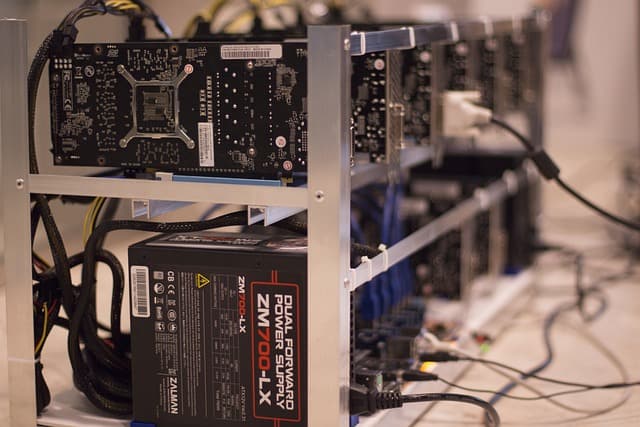
The Bitcoin Pizza Day Celebration
The Bitcoin Pizza Day Celebration marks a significant moment in the history of Bitcoin, when the cryptocurrency was used to purchase two pizzas for the first time. This event highlighted the potential of Bitcoin as a medium of exchange, with pizza serving as a tangible representation of its value.
The impact of this celebration on Bitcoin’s value was immense, as it highlighted the real-world utility of the digital currency and sparked increased interest in its adoption.
Pizza as Bitcoin Currency
Pizza gained unexpected and innovative significance as a form of currency during the Bitcoin Pizza Day celebration. On May 22, 2010, Bitcoin enthusiast Laszlo Hanyecz made history by using 10,000 bitcoins to purchase two pizzas. This transaction marked the first real-world use of Bitcoin as a means of exchange, leaving a lasting impact on the cryptocurrency’s history.
To commemorate this milestone, Bitcoin Pizza Day is now celebrated annually, with enthusiasts worldwide using Bitcoin to enjoy their favorite pizzas. The following are five reasons why the concept of Pizza as Bitcoin currency is so intriguing:
- Highlights the early adoption and acceptance of Bitcoin as a legitimate payment method.
- Showcases the potential for cryptocurrencies to revolutionize traditional financial systems.
- Demonstrates the fungibility and divisibility of Bitcoin, making it suitable for everyday transactions.
- Emphasizes the unique and decentralized nature of cryptocurrencies, free from the control of central banks and governments.
- Serves as a reminder of the rapid growth and evolution of the cryptocurrency industry since its inception.
The benefits of Pizza as Bitcoin currency go beyond mere transactions, symbolizing the transformative power of cryptocurrencies in our modern world.
Impact on Bitcoin’s Value
The celebration of Bitcoin Pizza Day had a significant impact on the value of Bitcoin. On May 22, 2010, Laszlo Hanyecz, a Bitcoin enthusiast, made history by purchasing two pizzas with 10,000 bitcoins, marking the first tangible transaction using Bitcoin as a currency.
This event, now known as Bitcoin Pizza Day, is celebrated annually by the cryptocurrency community. While the transaction itself may appear insignificant, its influence on the value of Bitcoin cannot be overstated.
The celebration serves as a reminder of Bitcoin’s early days and highlights its remarkable progress since then. It also showcases the increasing adoption and acceptance of Bitcoin as a legitimate form of payment.
The Bitcoin Pizza Day celebration stands as a testament to the resilience and potential of this revolutionary digital currency.
Government Recognition and Regulation
Government recognition and regulation of Bitcoin have become increasingly important and subject to scrutiny in recent years. As the popularity of Bitcoin continues to grow, governments worldwide are faced with the challenge of classifying, regulating, and taxing this emerging form of currency. Here are five key points to consider:
- Legal Status: The legal status of Bitcoin varies from country to country. While some governments have embraced it as a legitimate form of currency, others have chosen to ban or restrict its use.
- Regulatory Frameworks: Governments are actively developing regulatory frameworks to address concerns such as consumer protection, money laundering, and tax evasion. These frameworks aim to strike a balance between fostering innovation and ensuring financial stability.
- Taxation: Governments are increasingly recognizing Bitcoin as a taxable asset. They are implementing regulations regarding the reporting and taxation of Bitcoin transactions to ensure compliance and prevent tax evasion.
- Central Bank Digital Currencies (CBDCs): Some governments are exploring the development of their own digital currencies, known as CBDCs, as a government-backed alternative to decentralized cryptocurrencies like Bitcoin.
- International Cooperation: Due to the global nature of Bitcoin, governments are working together to establish international standards and cooperation mechanisms to address cross-border issues such as money laundering and terrorism financing.
As governments grapple with the recognition and regulation of Bitcoin, it is evident that this digital currency is reshaping the financial landscape and challenging traditional notions of money and governance.
Bitcoin’s Role in International Remittances

Bitcoin plays a crucial role in international remittances by leveraging its decentralized and secure network. As a digital currency, Bitcoin offers a fast, cost-effective, and efficient solution for cross-border money transfers.
Traditional remittance methods often involve high fees, lengthy processing times, and intermediaries, which can be inaccessible and expensive for many individuals. In contrast, Bitcoin eliminates these barriers by enabling direct peer-to-peer transactions without the need for a central authority.
One of the primary advantages of using Bitcoin for international remittances is its low transaction fees. Traditional methods can impose significant fees, especially when crossing international borders. Bitcoin transactions, on the other hand, typically incur minimal fees that are significantly lower than those charged by banks or remittance service providers. This makes Bitcoin an appealing option for individuals looking to send money to their loved ones or friends abroad.
Additionally, Bitcoin’s decentralized nature ensures secure and transparent transactions. Each transaction is recorded on a publicly accessible ledger called the blockchain, enhancing transparency and preventing fraud. This transparency fosters trust between the sender and the recipient.
Future Implications and Global Adoption
The future implications and widespread adoption of Bitcoin are becoming more evident as the global recognition and acceptance of this digital currency continue to increase. Bitcoin’s impact on various industries and economies around the world is becoming increasingly significant.
The future implications and global adoption of Bitcoin can be summarized through the following key points:
- Financial Inclusion: Bitcoin has the potential to provide financial services to populations that are unbanked or underbanked. This allows them to participate in the global economy.
- Reduced Transaction Costs: The decentralized nature of Bitcoin eliminates the need for intermediaries, resulting in lower transaction costs and making cross-border transactions more affordable.
- Enhanced Security: The use of blockchain technology ensures secure and transparent transactions, reducing the risk of fraud and counterfeiting.
- Improved Efficiency: Bitcoin’s decentralized and peer-to-peer nature eliminates the need for traditional financial institutions, leading to faster and more efficient transactions.
- Global Accessibility: Bitcoin can be accessed and used by anyone with an internet connection, making it a truly global currency that transcends geographical boundaries.
Frequently Asked Questions
How Many Bitcoins Were Created in the Genesis Block?
The number of bitcoins created in the genesis block, the first transaction in the history of Bitcoin, was 50. This marked the beginning of a new era in digital currency and laid the foundation for the Bitcoin network.
What Was the Value of the First Bitcoin Transaction?
The value of the first Bitcoin transaction was 10 bitcoins, which, at the time, had no significant monetary value. This transaction marked the beginning of a revolutionary digital currency that has since gained global recognition and financial significance.
Who Were Some of the Early Adopters of Bitcoin?
Some early adopters of Bitcoin included computer programmers, cryptographers, and tech enthusiasts. They recognized the potential of this new digital currency and were eager to explore its decentralized nature and potential for financial innovation.
How Did the Silk Road Contribute to the Early Use of Bitcoin?
The Silk Road, an underground online marketplace, played a significant role in the early use of Bitcoin. Its anonymous nature and ability to facilitate illegal transactions made it a popular choice for users, contributing to the currency’s growth and adoption.
What Were the Reasons Behind the Rise and Fall of Mt. Gox as a Bitcoin Exchange?
The rise and fall of Mt. Gox as a bitcoin exchange can be attributed to various factors including security breaches, regulatory issues, and mismanagement. These challenges ultimately led to its bankruptcy and highlighted the need for stronger safeguards in the cryptocurrency industry.
Conclusion
In conclusion, the birth of Bitcoin has revolutionized the world of currency and transactions.
From its genesis block creation to the first real-world transaction and its dark beginnings on Silk Road, Bitcoin has come a long way.
It has gained government recognition and regulation, and its role in international remittances is becoming increasingly important.
With the potential for global adoption, Bitcoin holds the promise of a decentralized and secure financial future.
Interestingly, Bitcoin’s market cap has grown from $0 to over $1 trillion, reflecting the immense interest and trust placed in this digital currency.




Comments (No)